INDLEDs / Lumatree guide
How to specify solid wood task lighting.
A useful task light should do more than make a surface bright. For hospitality, residential and quiet work settings, it needs to place light where it is needed, stay comfortable to look at, and belong naturally to the interior.
A practical starting point
Begin with the activity, not the fixture.
Reading, bedside use, desk work and low lounge seating each place the visual task at a different height and distance. The first specification question is therefore simple: where should useful light arrive, and where should the source stay out of view?
For a calm room, the best result is rarely the brightest fixture. It is the right amount of controlled light, delivered at the right position.
01 / Geometry
Set the head height and reach.
A task light works when the head reaches towards the book, keyboard or tabletop without forcing the base into the circulation route. In a lounge or reading chair, a lower floor light can bring the beam forward at seated height. At a desk or bedside table, a compact table light should clear the surface while keeping its head close to the task.
- Identify the seated or working position.
- Check the target surface height and likely line of sight.
- Allow enough reach before selecting the base position.
- Use a rotating head where the task position can change.
02 / Light quality
Choose comfort before excess output.
For close work, good colour rendering and a controlled distribution matter as much as lumen output. They help text, timber and finishes read naturally without turning the immediate field of view into a bright visual distraction.
For Lumatree task lighting, CRI 92 supports material colour, while 2700K, 3000K and 4000K options allow the atmosphere to match the project. Dim-to-Warm is available from 2200K to 3000K where a softer evening setting is wanted.
- Use warmer light for bedrooms, lounges and hospitality mood.
- Choose a beam and head position that reaches the task, not the whole room.
- Specify dimming where the room changes from work to rest.
03 / Control and coordination
Make the light easy to live with.
Local touch dimming gives an immediate response at the fixture. DALI supports coordinated control in larger hospitality and residential projects. The right route depends on whether the light is an individual reading tool or part of a wider scene.
In either case, specify the intended control method early. It affects wiring, switch positions, project coordination and the final experience for the person using the room.
Two task-light formats
Choose the scale that suits the room.
Lumatree Floor Task and Table Task use the same solid-wood language and controlled, rotating head — at two different working heights.
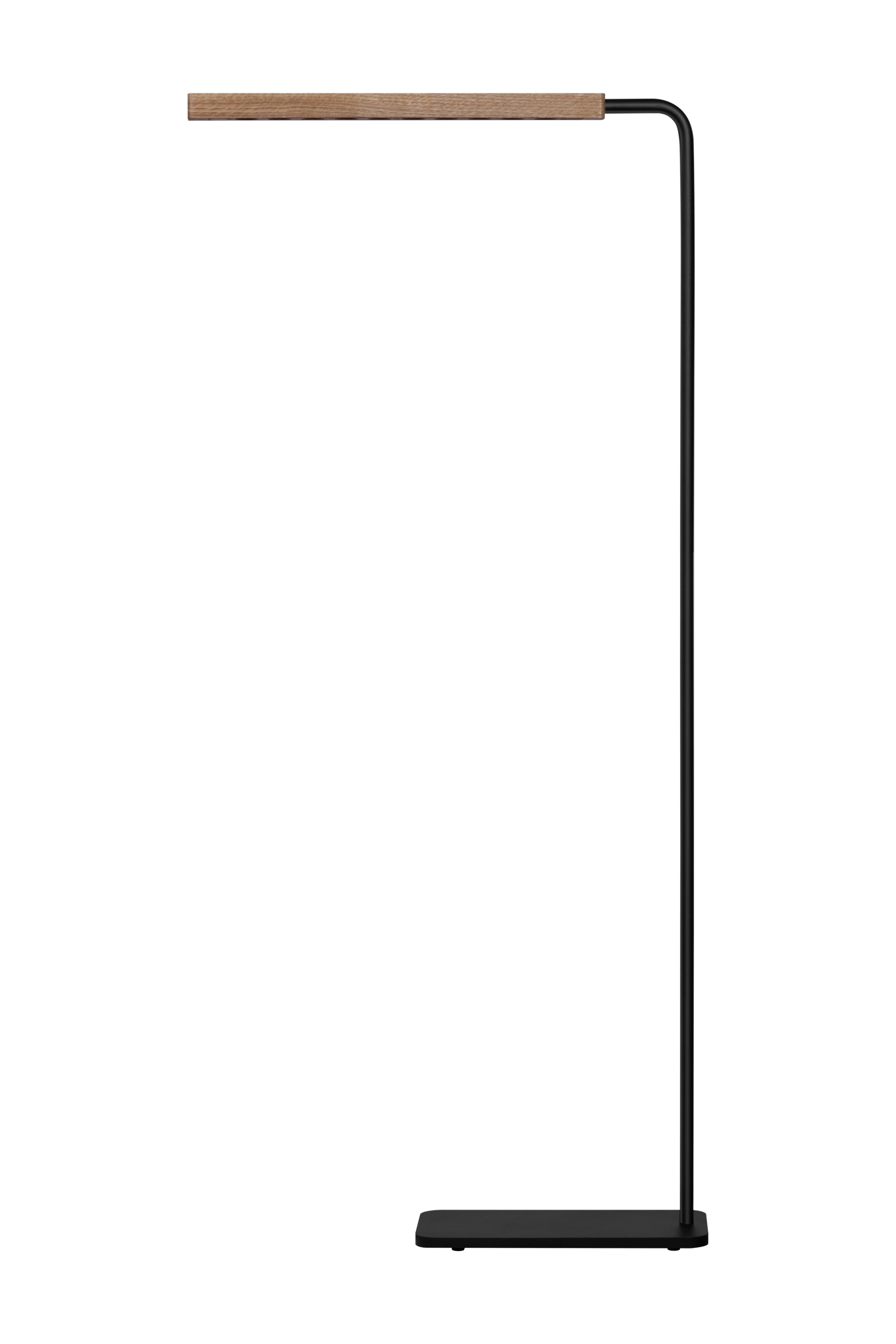
Floor reading light
Lumatree Floor Task
H 980 mm · reach 425 mm · 350 mm rotating head. A low-profile reading light for lounge seating, hotel rooms and quiet corners.
Explore Floor Task →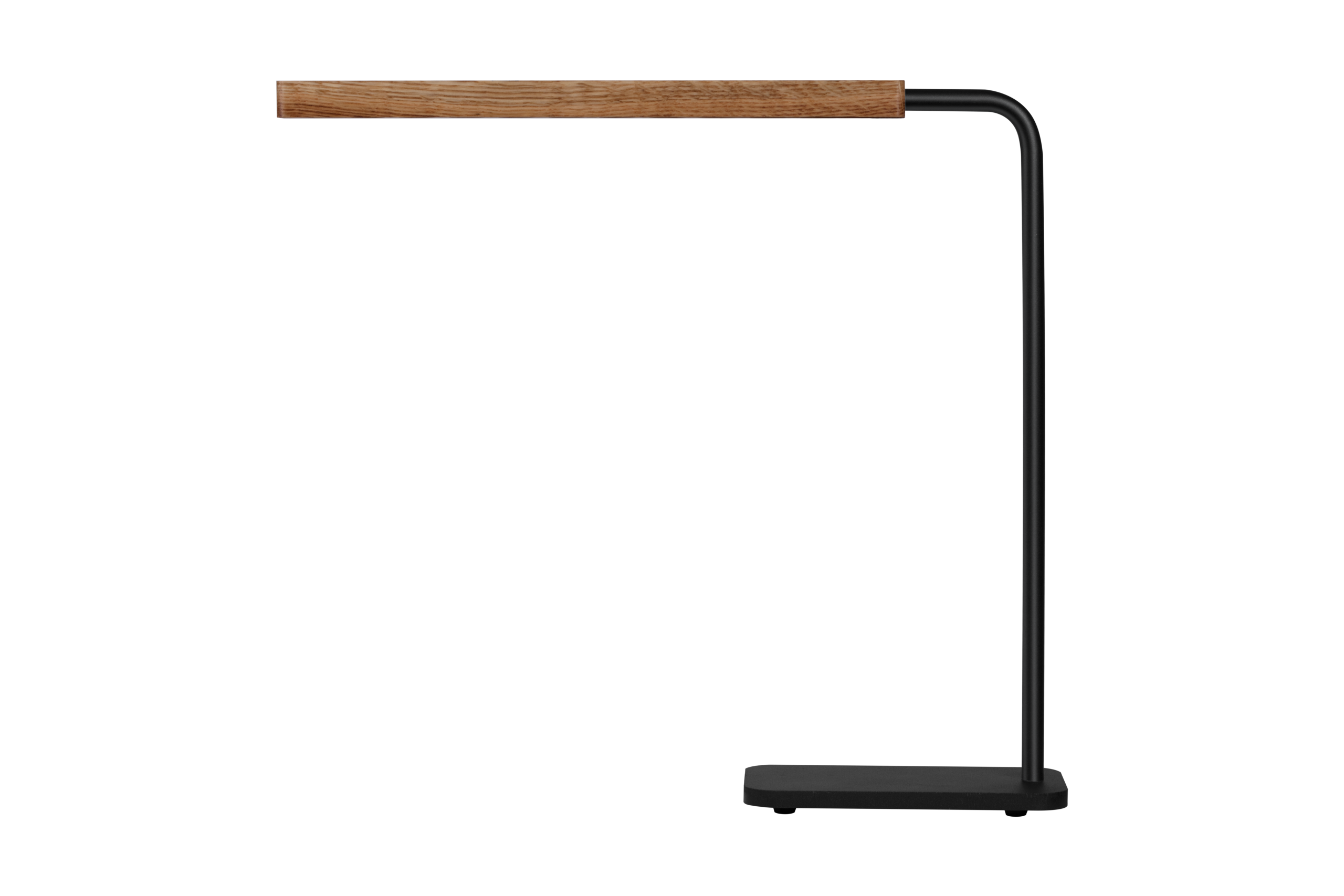
Table task light
Lumatree Table Task
H 410 mm · reach 425 mm · 350 mm rotating head. A compact task light for bedside tables, desks and shelves.
Explore Table Task →04 / Material and support
Specify the whole object.
Solid wood gives the light a material relationship with furniture and interior joinery. Oak, walnut and black ash offer distinct tones while keeping the grain visible. The restrained form allows the light to sit within a project without competing with it.
For project work, request the files that support the decision: IES or LDT photometry, CAD and 3D files, dimensions, finish confirmation and compliance documents. Light calculations should be made for the specific room, surface reflectance and installation height.